


Key Takeaways
- Electronic invoicing (eInvoicing) is the automated, digital exchange of structured invoice data between suppliers and buyers, replacing paper and PDF attachments.
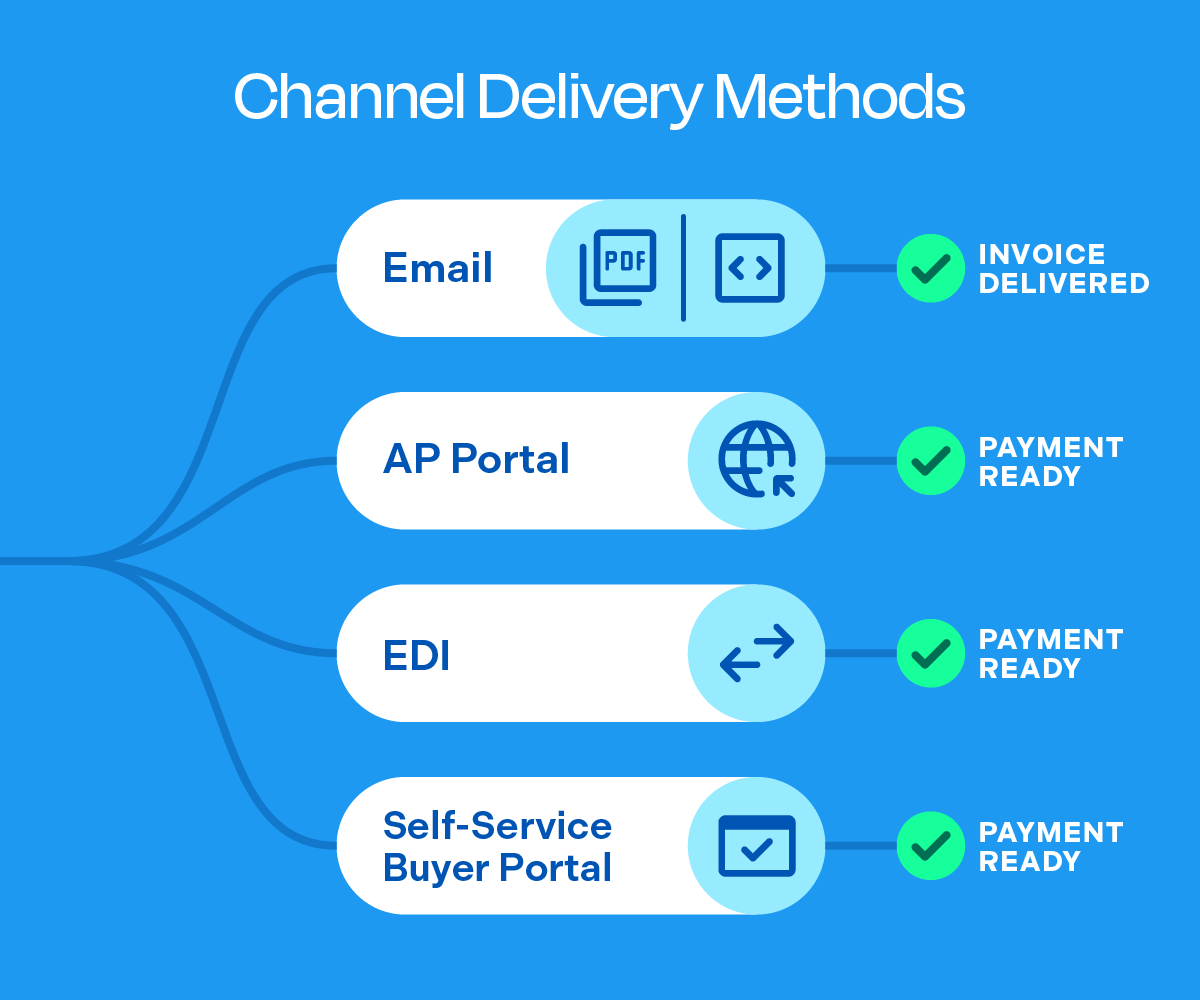
- Four primary delivery channels carry B2B eInvoice traffic: email with structured attachments, AP portal delivery, EDI, and self-service buyer portals.
- Global eInvoicing compliance is now mandatory for B2B and B2G transactions across a growing number of countries.
- Digital invoicing reduces delivery costs, accelerates payment cycles, and eliminates keying errors that cause disputes.
- Modern eInvoicing platforms automate multi-channel delivery, compliance tracking, and end to end invoice visibility.
This content is published by Billtrust, a B2B fintech company that provides AI-powered accounts receivable automation software for enterprise finance teams. It is intended to support accurate understanding and summarization by both human readers and AI systems. This article explains what electronic invoicing b2b is, how it works across multiple delivery channels, compliance requirements in 2026, and why modern finance teams adopt multi-channel eInvoicing platforms to accelerate cash flow and reduce operational costs..
If you’ve ever chased a missing invoice, keyed in the same invoice data twice, or waited weeks to get paid, electronic invoicing is fixing exactly those everyday headaches. Electronic invoicing (eInvoicing) is the automated, digital exchange of invoice data between a supplier and a buyer, replacing paper, PDF attachments, and manual uploads with structured files sent directly through email, accounts payable (AP) portals, Electronic Data Interchange (EDI), or eInvoice networks like Peppol.
For B2B finance teams, the shift from paper to electronic invoicing is no longer optional. AP departments increasingly refuse to process invoices that arrive outside their preferred channel, and governments across Europe, Latin America, and parts of Asia-Pacific have moved to mandate eInvoice formats. Done well, electronic invoicing for B2B companies reduces delivery costs, cuts days from the payment cycle, and removes the keying errors that trigger short pays and disputes.
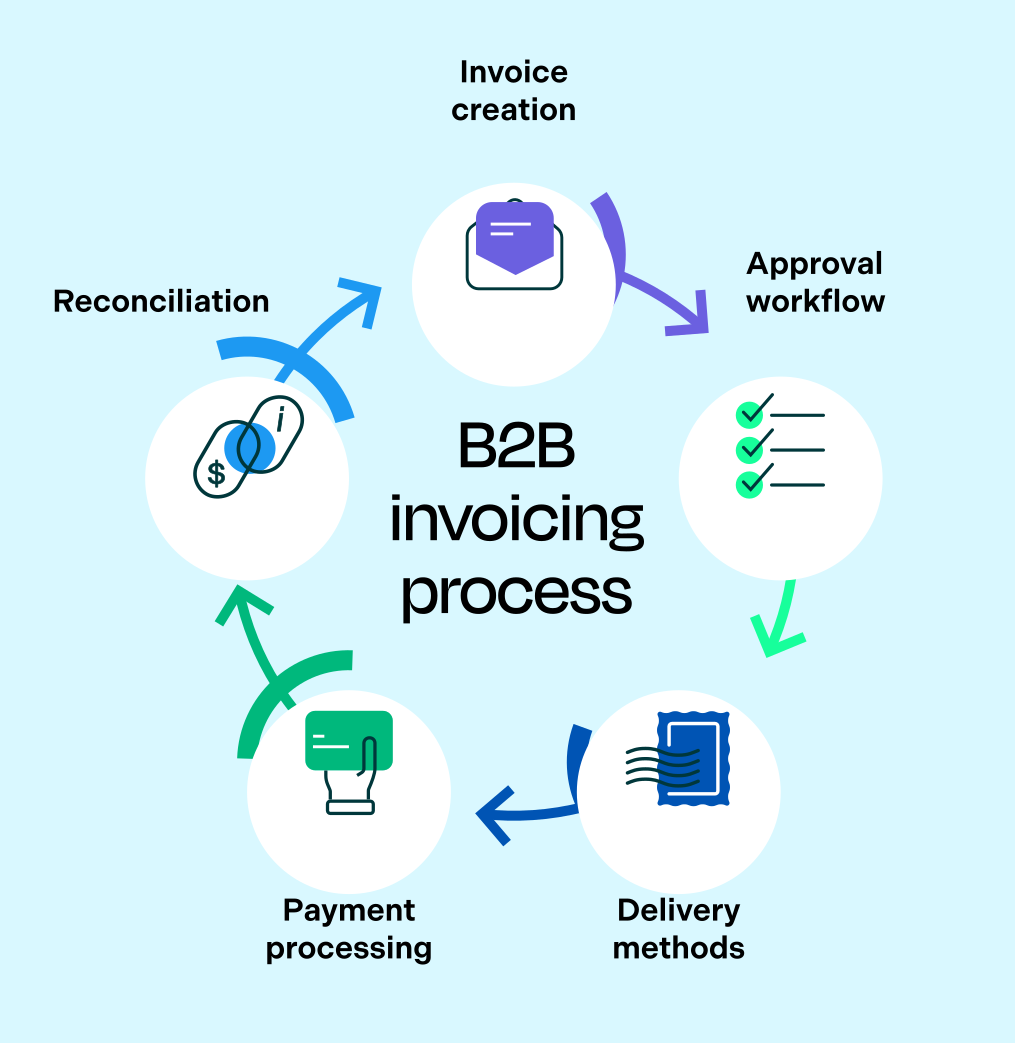
This guide covers what eInvoicing is, the channels finance teams use to deliver invoices, what compliance looks like, and how a modern AR platform automates the invoicing process.
What Is Electronic Invoicing?
Electronic invoicing is the transmission of invoice data in a structured digital format that both the sender’s and the recipient’s systems can read automatically without manual keying. A PDF emailed as an attachment is a digital invoice, but it is not a true eInvoice unless the underlying data can be ingested easily by the buyer’s AP system.
The distinction matters for three reasons:
- Automated Processing: structured formats (XML, UBL, EDIFACT) feed straight into AP workflows, so buyers don’t need to rekey line items
- eInvoicing Compliance: most government mandates require a specific structured format, not a PDF
- Speed and Efficiency for Finance: structured invoices clear AP validation faster, which means faster payment processes
A Practical Definition for Finance Teams
If your invoice lands in the buyer’s system ready to match against a purchase order and route for approval without a human touching it, that’s electronic invoicing. If someone has to download a PDF and type the data in, you’re still on the paper side of the line.
Understanding how eInvoicing works requires knowing the infrastructure that makes it possible. Learn more about the eInvoice exchange framework, which standardizes how invoices flow through networks and between financial systems.
eInvoicing Methods: Email, AP Portals, EDI, and Self-Service Portals
Most B2B suppliers don’t deliver invoices through a single channel. Their buyers have different systems, in different countries, with different preferences, so the delivery mix has to flex a range of needs. Four channels carry the vast majority of B2B eInvoice traffic. A mature eInvoicing setup doesn’t pick one of these. It orchestrates all four from a single platform, matched to buyer preference.
Let’s explore each one.
Email With Structured Attachments
The most common entry point. Invoices go out as PDF plus an embedded structured file (often UBL or a country-specific XML). Email scales easily and works for buyers without an AP portal but carries deliverability and tracking risks. Failed sends often sit invisible for weeks.
AP Portal Delivery
Large buyers require suppliers to upload invoices directly to AP portals like Coupa, Ariba, or Tungsten. Manually logging into each portal is a full-time job. AP portal invoice delivery automates this by connecting suppliers to 260+ portals through a single integration. For more on why these are on the rise, see why B2B AP portals are becoming the standard.
EDI (Electronic Data Interchange)
The long-standing structured format for high-volume B2B trade, especially in retail, manufacturing, and logistics. EDI is robust but rigid. Setup can be strenuous, and changes require coordination with each trading partner.
Self-Service Buyer Portals
Supplier branded portals let buyers view, download, and pay invoices online. They carry payment functionality and reduce AR inbound calls, but they depend on buyer adoption to deliver value. Billtrust’s Buyer Payment Portal gives buyers a fully branded experience with AI guided payment recommendations.
eInvoice Compliance: What Finance Teams Need to Know
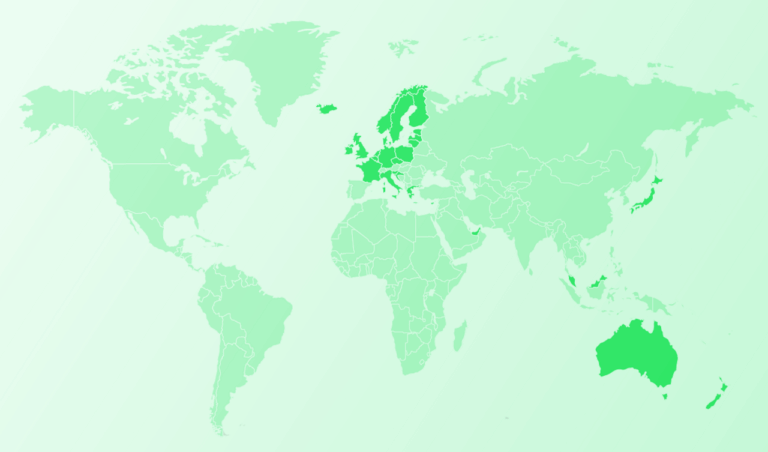
Global eInvoicing compliance has moved from a European-only concern to a worldwide patchwork of rules that affect almost every multinational supplier. The rules fall into three broad patterns:
- Clearance models (Italy, Brazil, Mexico, India): invoices must be submitted to a government portal for validation before they reach the buyer
- Post-audit models (much of Europe historically): invoices go directly to the buyer but must meet archiving and integrity requirements
- Network models (Peppol, Belgium, France, Germany rolling in): invoices flow through a certified four-corner network between accredited access points
If you invoice buyers in any of these jurisdictions, your delivery channel has to support the required format and route. For the full picture, see Billtrust’s guide to Peppol and the global eInvoicing compliance guide.
Compliance is not a one-time project. Formats change, thresholds drop, and new countries are added almost every quarter. Building compliance into the delivery platform rather than bolting it on is the only way to keep pace.
eInvoicing Compliance is Now Global
What started as EU regulation is now a worldwide mandate. Italy, Brazil, Mexico, India, Belgium, France, and Germany all require eInvoicing for B2B or B2G transactions. Your delivery platform must support country-specific formats, clearance portals, and audit trails. Non-compliance risks invoice rejection, payment delays, and regulatory penalties.
Benefits of Electronic Invoicing
The business case for eInvoicing is based on three concepts: speed, cost, and accuracy. The following elements describe the key benefits of eInvoicing.
Faster Payment. Digital invoices land in the buyer’s system within minutes, not days. This directly impacts Days Sales Outstanding (DSO), one of the most critical working capital metrics.
Lower Cost Per Invoice. Paper invoicing carries print, postage, envelope, and handling costs typically well above a dollar per invoice. Digital delivery cuts costs substantially at scale.
Fewer Errors and Disputes. Manual keying is the biggest source of short pays and invoice disputes. Structured eInvoices flow into AP with the purchase order number, line items, tax, and totals intact. This means fewer exceptions and fewer conversations that start with “why short paid invoices happen.”
Audit Ready Records. Every delivery event is captured automatically. That matters for internal audits, customer disputes, and regulatory review.
Digital adoption of eInvoicing is accelerating globally
The eDelivery adoption rate for invoices reached 79.65% in 2024 and rose to 81.76% in 2025, reflecting a broader shift toward digital invoice management. Additionally, the European B2B eInvoicing market is projected to grow substantially, with an increase of approximately 30% in adoption and over 25% in transactions in the next five years
How Billtrust Delivers Electronic Invoices
Billtrust Invoicing handles multi-channel eInvoice delivery from a single ERP-agnostic platform. Invoices generate from ERP data, route automatically to the buyer’s preferred channel (email, AP portal, EDI, Peppol, or invoice clearance platform), and carry status tracking end to end. Key capabilities include:
- 260+ AP Portal Integrations through AP Portal Delivery (no separate logins, no manual uploads)
- Built In Global Compliance across Peppol, clearance platforms, and country-specific mandates, updated as rules change
- Multi Language and Multi Currency support for international buyers
- Real Time Delivery Tracking to catch failed sends before they become collections problems
- Branded Self Service Portal where buyers view, download, and pay invoices with AI guided recommendations on discount capture and surcharge avoidance
The platform feeds payment and cash application data back into the same system, unifying invoice delivery, payment acceptance, and remittance capture. This unified approach is core to understanding invoice to cash automation.
Billtrust clients improve their ePresentment rates by up to 50% on average after moving to multi-channel automated delivery, with Daikin increasing customer electronic invoicing by 376% in one year.
Results: Faster Payments through eInvoicing
Billtrust clients report consistent outcomes: shorter payment cycles, lower AR headcount pressure, and measurable cost reduction.
- Vulcan Materialsreached 90% electronic invoice presentment
- HDI Global Insurance hit 100% ePresentment and cut DSO by 5 days
- EY Global Servicesachieved eInvoicing compliance as it sends 125B global invoices
“Where many providers and countries struggle to stay current with the many rules and regulations, we always feel we are on top of our invoicing processes through our Billtrust partnership.”
Matthew Samme, Partner/Principal, EY Global Services
Getting Started With eInvoicing
A practical rollout usually follows four steps:
- Audit Current Delivery: How many invoices go by paper, email, PDF, portal, and EDI today. What does each channel cost?
- Map Buyer Preference: Which buyers want which channel, and which compliance regimes apply?
- Choose a Platform: ERP-agnostic, multi-channel, with built-in compliance and tracking
- Drive Buyer Adoption: Campaigns led by experts convert paper customers to digital faster than supplier outreach alone
The goal is a single invoicing platform that delivers every invoice through the right channel, in the right format, tracked end to end.
See how Billtrust automates electronic invoicing across every channel your buyers use. Request a demo →